Frequently Asked Questions
Quick answer
This page answers the questions Dundee households ask most about home batteries: whether you need solar, how pricing works, how long a battery lasts, time-of-use tariffs, who installs it and how to get a quote. In short, a battery works without solar, is priced after a survey, and is fitted through our MCS-certified partners.
Key facts
- A battery works without solar panels
- The price is confirmed after a survey, not published on a website
- A time-of-use tariff and smart meter are required
- Most batteries are warrantied for around 10 years
- We install through MCS-certified partners
- Interest-free credit up to £30,000, subject to status
Last updated: 28 October 2026
Last updated: 28 October 2026
Do I need solar panels for a home battery?
No. A battery works on its own. You charge it overnight on a cheap time-of-use tariff and run the house on that stored electricity during the day. Solar panels are optional and can be added later.
The battery charges from the grid overnight, regardless of whether you have solar panels. The saving comes from the gap between your day rate and overnight rate, not from generating your own electricity.
If you add solar panels later, the battery will accept the input and charge from solar surplus during the day. But the core saving works without any solar at all.
How much does a home battery cost in Dundee?
A home battery in Dundee is priced after a survey. The figure depends on battery capacity, your electrical setup, and whether you already have solar.
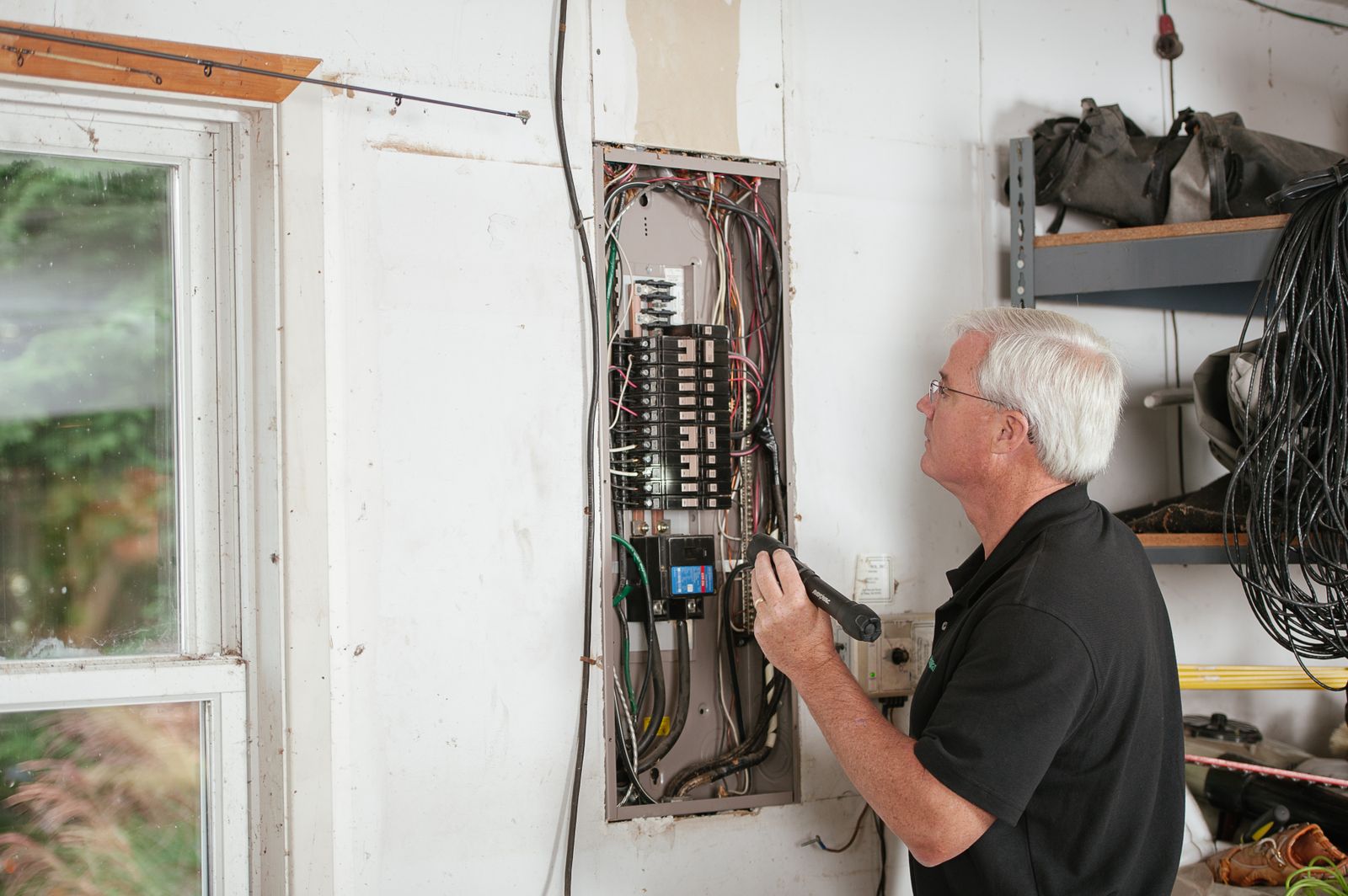
We give you a written quotation after a survey, never a single price on a website. The surveyor checks your meter position, fuse board, available space, and household usage before specifying the right battery capacity.
Interest-free credit up to £30,000, subject to status. Terms are confirmed on your quotation.
Will a battery save me money on my electricity bill?
A battery saves money by buying electricity overnight at a low rate and using it during the day instead of the peak rate. The saving depends on the gap between your day and overnight rates and your household usage.
The larger the gap between your day and overnight rates, the more the battery saves. The surveyor looks at your actual tariffs and usage to calculate whether a battery makes sense for your home.
If you are on a single flat-rate tariff and will not move off it, a battery does far less. The saving comes from the tariff gap — no gap, no saving. We will tell you if the numbers do not work.
How long does a home battery last?
Most home batteries are warrantied for around 10 years or 6,000 charge cycles. MCS-listed equipment and warranty terms are confirmed in writing on your quotation.
A charge cycle is one full charge and discharge. At one cycle per day, 6,000 cycles is roughly 16 years. The warranty specifies the minimum capacity at the end of the covered period.
The battery degrades gradually over time. The warranty terms tell you exactly what performance is guaranteed and for how long.
Can I add a battery to my existing solar panels?
Yes. A battery can be retrofitted to an existing solar PV system. It stores surplus solar generation during the day and overnight grid power, giving you two charging sources instead of one.
The surveyor checks your current inverter type to determine whether you need a hybrid inverter or an AC-coupled battery. Either way, your solar generation continues uninterrupted.
See our guide on adding a battery to existing solar for more detail on the process.
What is a time-of-use tariff and do I need one?
A time-of-use tariff charges different rates at different times of day. A battery needs one to buy electricity cheaply overnight. A smart meter is required.
Most energy suppliers offer time-of-use tariffs. The cheapest overnight rates are generally open to households that already have storage or generation installed. The surveyor helps you identify suitable tariffs for your area.
Without a time-of-use tariff, a battery has nothing to exploit — the saving comes from the difference between the day and overnight rates.
Who installs the battery and are they certified?
We install through MCS-certified partners. The certification belongs to them, and their name is the one on your installation certificate.
The certification belongs to the installation partner, and their name is the one that appears on the certificate.
The equipment is MCS-listed, and warranty terms are confirmed in writing on your quotation.
Frequently asked questions
Do you install home batteries in Dundee?
Yes. We install home battery storage across Dundee and the wider Tayside area through our MCS-certified partners. Every installation starts with a survey at your home, where the meter, consumer unit and available space are checked, followed by a written, no-obligation quote that sets out the battery, the work involved and the warranty terms.
Can I add a battery to my existing solar panels?
Yes. Most existing solar PV systems can take a battery. With a hybrid inverter the battery connects directly; with a standard string inverter, an AC-coupled battery with its own inverter is added. Your panels keep generating as before, and the surveyor confirms which setup suits your system and what the network operator needs to be told.
Is finance available?
Interest-free credit up to £30,000, subject to status. The terms are shown on your written quotation alongside the full installation price. You are never obliged to use credit: you can pay in full or arrange your own finance, and the installation price stays the same whichever you choose.
How do I get a quote?
Call 0141 230 0198 or send the quote form on this page. We call you back within one working day to book a survey at your home. After the survey you receive a written, no-obligation quote with the battery size, every cost line and the warranty terms, so you can decide in your own time.
Do I need solar panels for a home battery?
No. A battery works on its own, charging from the grid overnight on a time-of-use tariff. Solar panels are optional and can be added later. This makes a battery practical for tenement flats and north-facing roofs across Dundee, where panels are not always an option.
How much does a home battery cost in Dundee?
The price is set after a survey at your home, because capacity, your consumer unit, cable runs and any existing solar all change it. We do not publish a single figure that might not apply to you. The written quotation itemises every cost and carries no obligation. Interest-free credit up to £30,000, subject to status.
Will a battery save me money?
A battery saves money by buying electricity overnight at a low rate and using it during the day. The saving depends on the gap between your day and overnight rates and your usage. If the numbers do not work, we tell you.
How long does a home battery last?
Most home batteries are warrantied for around 10 years or 6,000 charge cycles. Warranty terms are confirmed in writing on your quotation. A charge cycle is one full charge and discharge, and most batteries do roughly one a day, charging overnight and running the house the next day.
Do I need a smart meter?
Yes. A smart meter is required for a time-of-use tariff, which is what makes the battery worth having. Your energy supplier can arrange one. The surveyor checks whether your current meter can support a time-of-use tariff before the quote is written.
Reviewed by the Scottish Energy Efficiency team. Last updated: 28 October 2026.
Ready to get your written quotation?
Survey first, written quotation second. No deposit, no obligation. We call you back within one working day.
- Home survey before any price
- We install through MCS-certified partners
- Interest-free credit up to £30,000, subject to status.